
Miguel de Cervantes greatest success as an author came with The Ingenious Gentleman DonQuixote of La Mancha in 1605, penned when Shakespeare was also writing hits in England.Perhaps the first modern novel, it parodied the then popular stories…

Miguel de Cervantes greatest success as an author came with The Ingenious Gentleman DonQuixote of La Mancha in 1605, penned when Shakespeare was also writing hits in England.Perhaps the first modern novel, it parodied the then popular stories…

Always remember “The Three P’s”: persistence, perseverance, and patience. Persistence: organize your life so that you can train frequently. Perseverance: never give up trying to improve in the contest with oneself (jibun no shiai) Patience: recognize that learning…
Aikido is a somatic exercise, i.e., you learn with your body. Of course, paying attention to theinstructor’s explanations, imitating his/her movements, and being aware of your partner are thestarting points. Ultimately, however, you have to feel the process…
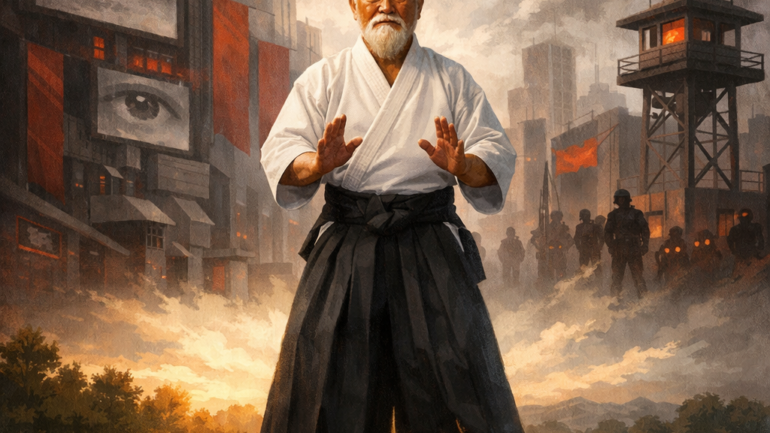
In BRAVE NEW WORLD (1932) Aldous Huxley portrayed a dystopia derived from an excessof capitalist consumption that led to a dehumanized world where babies are made in test tubes,the idea of “family” becomes disgusting, and everyone can avoid…
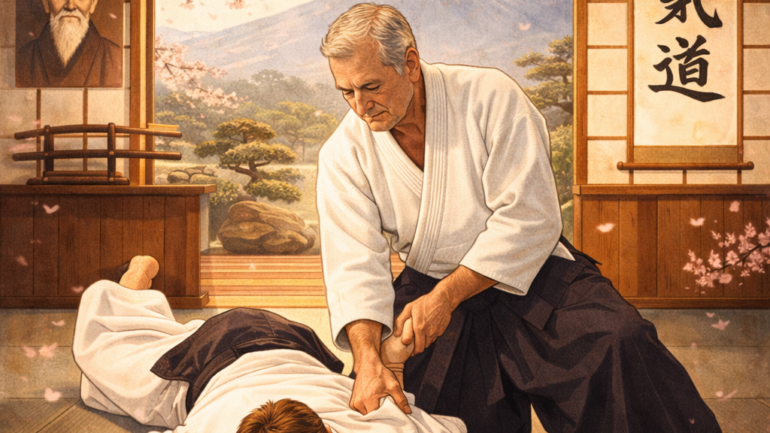
In THE WAY OF AIKIDO (1999) George Leonard presented a classic statement of Aikido’s philosophy and its application in everyday activities. It is a lively and intimate account of how a martial art can become a path for…
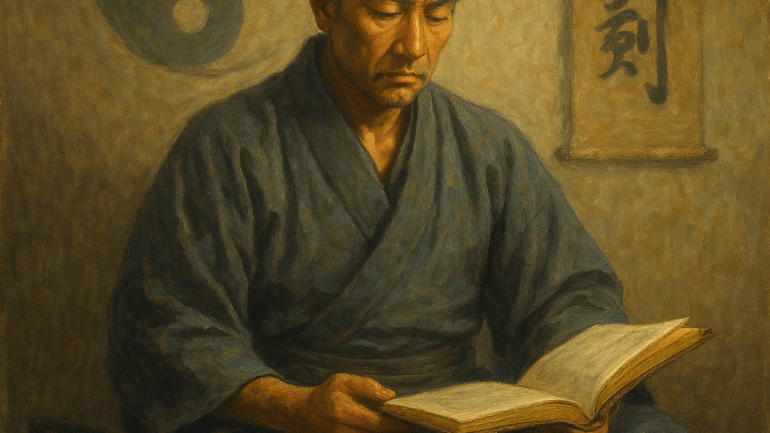
In 1995 Richard Strozzi Heckler edited a collection of essays entitled AIKIDO AND THE NEW WARRIOR. Heckler wished to emphasize Aikido as a martial path of loving reconciliation. He did not put forward a model for military personnel…
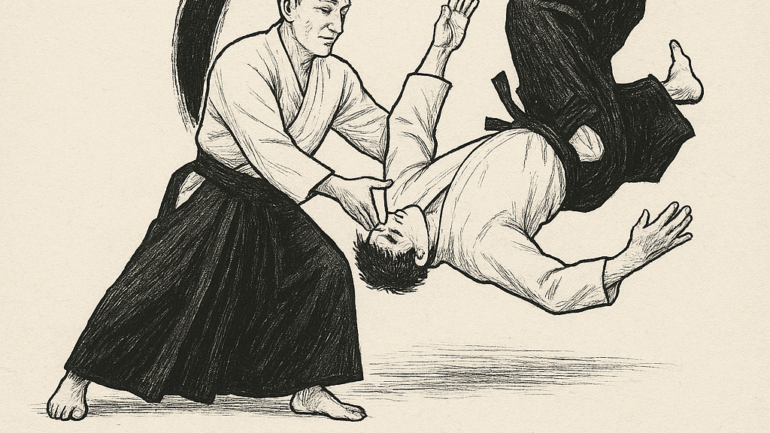
AIKIDO IN EVERYDAY LIFE by Terry Dobson and Victor Miller (1978, 2nd ed. 1993) attempted to create a model for behaviour based on Aikido principles as a guide. They called their system Attack-tics. Dobson had studied directly under…
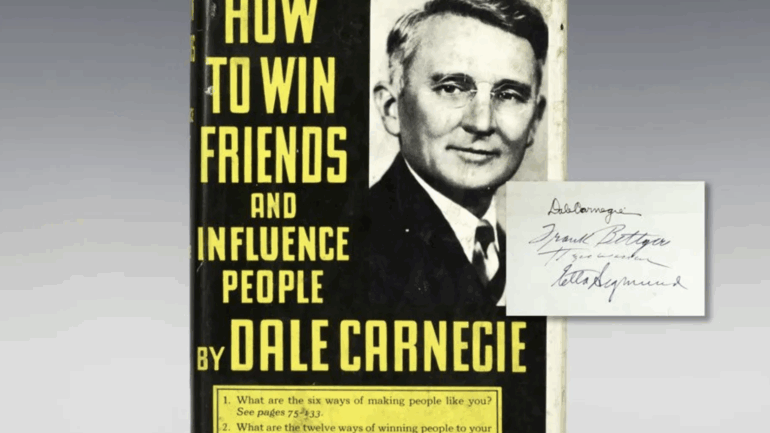
How to live an Aikido life? That is a challenging question and individuals will certainly have varying answers. This month I begin reviewing a series of books that are relevant to the discussion. I begin with a non-Aikido…

Aikido may be thought of in terms of the “Four F’s”: Frame; Focus; Flow; FallingFrame is stance (“kamae”). An upright posture (“shisei”) without tension, with vital energy readyto extend, the body is prepared for action.Focus is paying attention…
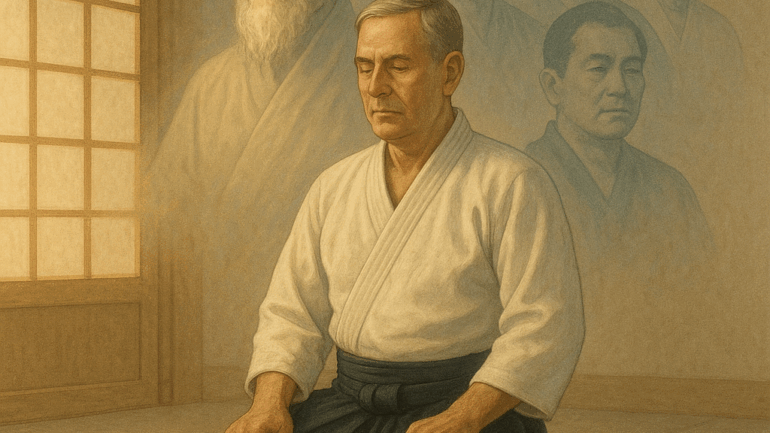
Aristotle stated many centuries ago that excellence is as art won by training and habituation; wedo not act rightly because we have virtue or excellence, but we rather have these because wehave acted rightly.