
Earlier I have written about Iaido as modern form of training that derives from ancient traditions. Another Japanese Budo is “Kyudo”, the “Way of the Bow”. On the surface, it is a merely a formal method of shooting…
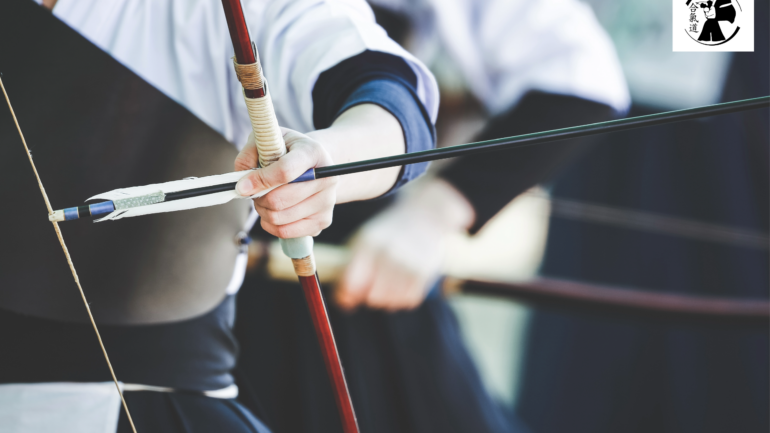
Earlier I have written about Iaido as modern form of training that derives from ancient traditions. Another Japanese Budo is “Kyudo”, the “Way of the Bow”. On the surface, it is a merely a formal method of shooting…
Keiko and Renshuu are two terms that usually come out in English as “practice”. However, they are not interchangeable. In fact, they should be constantly combined. As one instructor explained, etymologically, renshuu looks like this:練習 (れんしゅう) – the…
Previously I have written about books that attempted to uncover the background of Japanese martial arts. Another important book of this type is “Legacies of the Sword: The Kashima-Shinryuu and Samurai Martial Culture” by Karl Friday, Ph.D. (1997)…
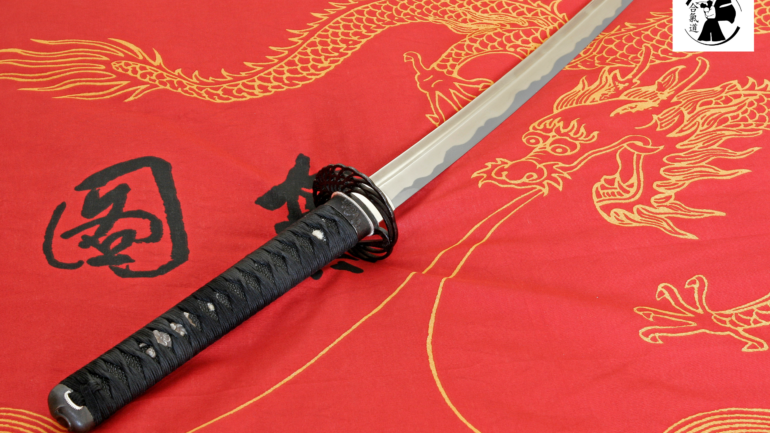
In a discussion of Japanese swords I like to think of “lookers” and “swingers”. The “lookers” are those who collect swords to appreciate their beauty as works of art. They are guardians of swords that they intend to…
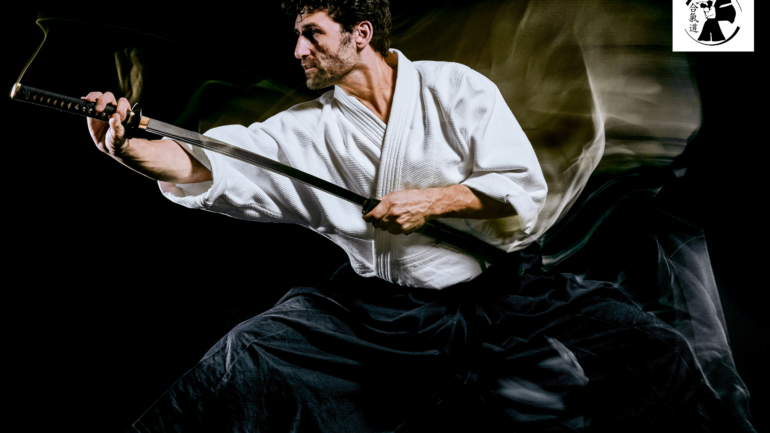
If previous entries have aroused an interest in Japanese swords, here are three books to consult. “The Craft of the Japanese Sword” by Leon Kapp, Hiroko Kapp and Yoshindo Yoshihara (1987) is a clearly written and well photographed…
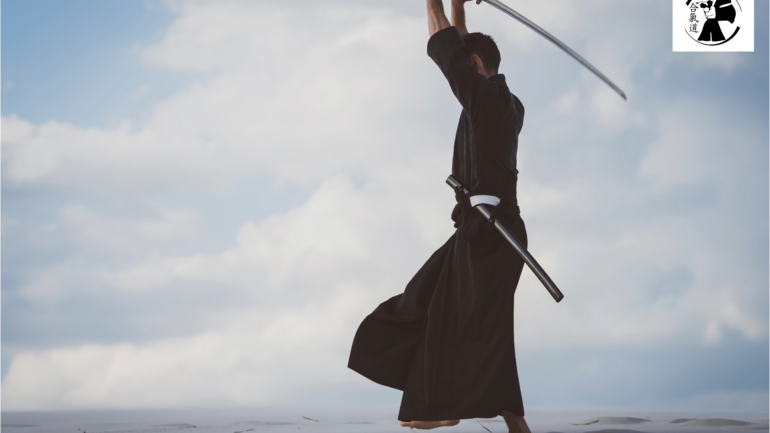
In Part 1 of “Japanese Swordsmanship” (1982) Gordon Warner and Donn F. Draeger provide a good overview of the development of the Japanese sword within the culture of the samurai. Part 2 deals thoroughly with Iaido. While today…
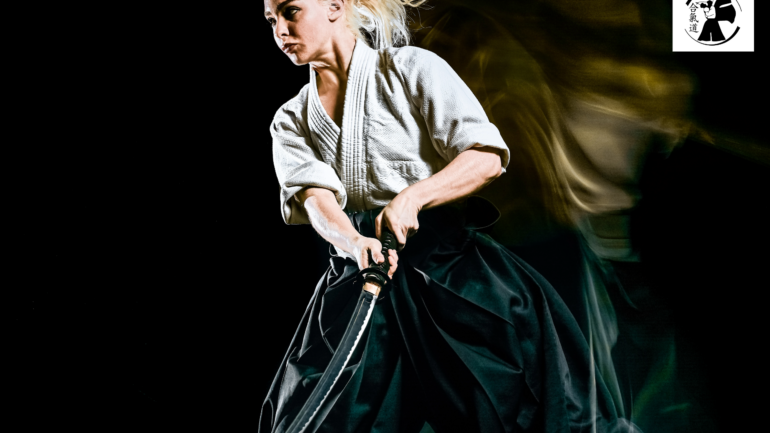
Aikidoists who practise Aikiken often become interested in the Japanese metal sword in addition to the wooden sword (“Bokken” or “Bokutoh”). There are various types of swords. The two most recognized are the “Tachi” and the “Katana”. The…
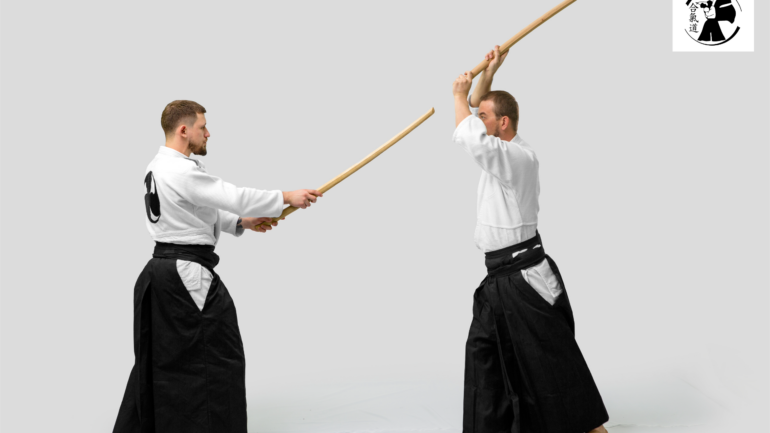
In Aikido, bokken practice is for the art of living, not the science of killing. Aikiken differs from Kenjutsu in that it is not intended for battlefield application. Bokken practice is a method of experiencing and refining key…

Try to attend seminars and camps outside of your own dojo. Meeting the challenge will be gratifying. And you will likely meet good people to help you along the path.
Learn by careful observation and imitation of your instructors and your partners both senior and junior. Do not be concerned that you progress in technique more slowly than others. And do not become arrogant if you progress more…